What Is Noninvasive Brain Stimulation for Depression?
A recent report from Medical Xpress highlights the potential of noninvasive deep brain stimulation in improving subclinical depression. This news brings hope, especially to those who haven't found relief from traditional treatments. Noninvasive brain stimulation refers to techniques that target specific brain areas without surgery. The goal is to alter brain activity, which can improve mood and relieve symptoms of depression. Techniques like Transcranial Magnetic Stimulation (TMS) and transcranial Direct Current Stimulation (tDCS) are commonly used.
TMS uses magnetic fields to stimulate nerve cells in the brain. It's often used when other depression treatments haven't worked. The procedure involves placing an electromagnetic coil against the scalp. The coil sends magnetic pulses that can influence brain activity. Typically, sessions last about 30 to 40 minutes and are done five times a week for several weeks.
tDCS, on the other hand, uses a low electrical current. Electrodes are placed on the scalp, and the current modifies brain activity. It's less intense than TMS but can be used more frequently. Both TMS and tDCS have shown promise in reducing depression symptoms. However, they are not suitable for everyone. Talking to a healthcare provider can help determine if these treatments are right for you.
How Effective Is Noninvasive Brain Stimulation?
The effectiveness of noninvasive brain stimulation varies among individuals. Some people experience significant relief from depression symptoms, while others may notice only mild improvements. Research suggests that TMS can be particularly effective for individuals with treatment-resistant depression. For them, TMS offers a new avenue for relief when medication and therapy haven't worked. Studies have shown that many people experience a reduction in symptoms after completing a TMS course. However, results can vary, and some may need maintenance treatments.
tDCS is less studied than TMS, but early research suggests it may help with depression symptoms. It's considered less invasive and more accessible, making it a potential option for those who can't undergo TMS. However, it's important to note that tDCS is not as widely available as TMS, and more research is needed to confirm its long-term effectiveness.
Both treatments have their pros and cons. TMS is more established and generally covered by insurance for treatment-resistant depression. tDCS is simpler and less expensive but may not be as effective. It's crucial to weigh these factors with a healthcare provider to determine the best treatment plan.
Are There Side Effects to Consider?
Like any medical treatment, noninvasive brain stimulation can come with side effects. TMS is generally well-tolerated, but some people experience mild discomfort during treatment. This can include scalp discomfort or a tapping sensation on the head. Headaches are also a common side effect but usually subside after the first few sessions. Serious side effects are rare but can include seizures. However, this is very uncommon and occurs in less than 1% of patients.
tDCS is less likely to cause significant side effects. Some people may feel a tingling sensation on the scalp or mild skin irritation where the electrodes are placed. Occasionally, individuals report headaches or dizziness, but these are usually temporary. Overall, tDCS is considered safe, especially when performed under professional supervision.
Both TMS and tDCS should be administered by trained professionals. This ensures that the procedures are done safely and effectively. Anyone experiencing unusual side effects should contact their healthcare provider immediately. It's also important to discuss any medical conditions or medications with a provider before starting treatment.
Who Might Benefit from Noninvasive Brain Stimulation?
Noninvasive brain stimulation may benefit individuals with major depressive disorder, especially those who haven't responded well to traditional treatments. People with treatment-resistant depression often turn to TMS for relief. It's also an option for those who can't tolerate the side effects of antidepressant medications. For individuals who have tried multiple medications and therapies without success, TMS offers a hopeful alternative.
tDCS might be suitable for those looking for a less intensive treatment. It's an option for people who want to try brain stimulation without the commitment of frequent clinical visits. However, it's important to have realistic expectations. While these treatments can improve symptoms, they are not a cure for depression. They are often most effective when combined with other treatments like medication and therapy.
It's crucial to consult with a mental health professional to see if these treatments are appropriate. They can assess individual needs and medical history to determine the best course of action. For some, noninvasive brain stimulation can be a transformative part of their depression treatment plan.
When Should You Seek Help for Depression?
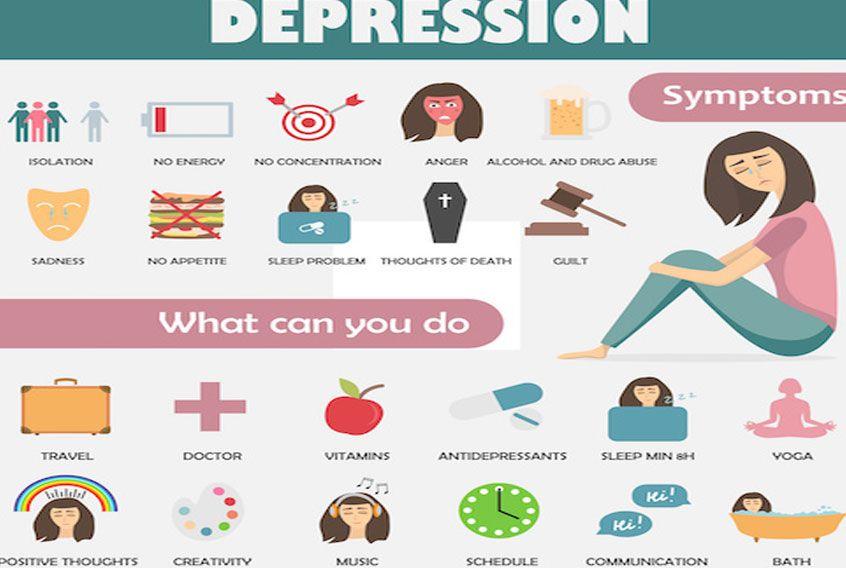
Recognizing when to seek help for depression is vital. If you notice persistent sadness, loss of interest in activities, or changes in sleep and appetite, it's time to reach out to a mental health professional. These symptoms can be signs of depression, and early intervention is key to recovery. It's also important to seek help if depression affects your ability to work, maintain relationships, or care for yourself.
Urgent help is needed if you experience thoughts of suicide or self-harm. These are serious symptoms that require immediate attention. In the U.S., you can call or text 988 to reach the Suicide & Crisis Lifeline anytime. They provide support and can connect you with local resources. In an emergency, call 911 or go to the nearest emergency room.
It's also crucial to seek help if you experience symptoms of mania or psychosis. These can include extreme mood swings, impulsive behavior, or hallucinations. Early treatment can prevent these symptoms from worsening. Remember, reaching out for help is a sign of strength, not weakness. Treatment works, and recovery is possible.
How Can You Support Yourself During Treatment?
Supporting yourself during treatment is an essential part of managing depression. Lifestyle changes can complement noninvasive brain stimulation and enhance its effectiveness. Regular physical activity, such as walking or yoga, can boost mood and reduce symptoms. Exercise releases endorphins, the body's natural mood lifters, which can help combat depression.
A healthy diet also plays a role in mental health. Eating balanced meals with plenty of fruits, vegetables, and whole grains can provide the nutrients needed for brain health. Avoiding excessive caffeine and alcohol can also help stabilize mood. Staying hydrated is equally important for overall well-being.
Mindfulness and stress reduction techniques like meditation or deep breathing exercises can also be beneficial. These practices help manage stress, which can trigger or worsen depression symptoms. Regular practice can improve focus and promote a sense of calm. Combining these self-care strategies with professional treatment can provide a holistic approach to managing depression.
What Are the Next Steps if You're Interested in Brain Stimulation?
If you're interested in exploring noninvasive brain stimulation, the first step is to talk with your doctor or psychiatrist. They can provide information about the treatment options available and help determine if you're a suitable candidate. Discuss your medical history, current medications, and any concerns you have about the treatments.
Your healthcare provider can refer you to a specialist who performs TMS or tDCS. They'll explain the procedure, potential benefits, and side effects. It's important to attend all scheduled appointments and follow the treatment plan as advised. Consistency is key to seeing improvements.
Remember, noninvasive brain stimulation is just one part of a comprehensive treatment plan. It's often most effective when combined with therapy, medication, and lifestyle changes. Working closely with your healthcare team can help you achieve the best possible results. Keep an open line of communication with your providers and don't hesitate to ask questions. Recovery is a journey, and each step forward is progress.
Source: Noninvasive deep brain stimulation improves subclinical depression, study finds (Medical Xpress)
This article is for general information only and is not medical advice. Always talk with your doctor or a mental health professional about your symptoms and treatment. If you are thinking about suicide or are in crisis, call or text 988 (Suicide & Crisis Lifeline) in the U.S., or call 911 in an emergency.