What Does Recent Research Say About Glutathione and Bipolar Disorder?
A recent report from Bioengineer.org highlights a possible link between anterior cingulate glutathione levels and oxidative stress in bipolar disorder. While the details are still being explored, this raises interesting questions about the role of oxidative stress in mood disorders. Early research suggests that the antioxidant glutathione might play a more significant role than previously understood in managing oxidative stress for those with bipolar disorder.
Bipolar disorder is a complex condition, and oxidative stress is one of many factors scientists are investigating. Oxidative stress happens when there is an imbalance between free radicals and antioxidants in the body. This imbalance can cause cell damage and has been linked to various health issues, including mood disorders. Understanding how glutathione, a powerful antioxidant, affects this process could offer new insights into potential treatments or management strategies for bipolar disorder.
It’s important to remember that this research is still in its early stages. While it’s intriguing, it’s not a cause for immediate change in treatment plans. Anyone interested in this topic should discuss it with their healthcare provider. They can provide guidance based on the latest, most reliable information available.
What Is Oxidative Stress and How Is It Related to Bipolar Disorder?
Oxidative stress occurs when there’s an imbalance between free radicals and antioxidants in the body. Free radicals are unstable molecules that can damage cells, proteins, and DNA. Normally, antioxidants neutralize these free radicals, preventing harm. However, when there are too many free radicals or not enough antioxidants, oxidative stress occurs. This can lead to various health problems, including mood disorders like bipolar disorder.
In bipolar disorder, oxidative stress is thought to play a role in the brain’s functioning. The brain is particularly vulnerable to oxidative damage due to its high oxygen consumption and lipid-rich environment. Some studies suggest that people with bipolar disorder may have higher levels of oxidative stress, potentially impacting mood regulation and cognitive function. This connection has led researchers to explore whether managing oxidative stress could help alleviate symptoms of bipolar disorder.
Researchers are also looking at how oxidative stress might contribute to the cycling of mood episodes in bipolar disorder. By understanding this relationship, scientists hope to develop more effective treatments that target the underlying biological processes, rather than just managing symptoms.
How Does Glutathione Affect Oxidative Stress?
Glutathione is one of the body’s primary antioxidants. It helps neutralize free radicals and reduces oxidative stress. It is found in every cell, but it is especially important in the brain, where it helps protect neurons from damage. In people with bipolar disorder, glutathione levels may be lower, contributing to increased oxidative stress.
The body produces glutathione naturally, but factors like stress, poor diet, or illness can deplete its levels. Maintaining adequate glutathione levels is essential for overall health and may be particularly important for individuals with mood disorders. Some researchers are examining whether boosting glutathione levels could help manage oxidative stress and, by extension, mood disorder symptoms.
While more research is needed, understanding the role of glutathione in oxidative stress opens up potential avenues for treatment. For example, lifestyle changes or dietary supplements that support glutathione production might be beneficial. However, it is crucial to consult with a healthcare provider before starting any new treatment or supplement.
What Are the Symptoms of Bipolar Disorder Linked to Oxidative Stress?
Bipolar disorder is characterized by extreme mood swings, including episodes of mania and depression. Oxidative stress might influence these mood swings by affecting how the brain functions. Increased oxidative stress can damage brain cells and disrupt neurotransmitter function, potentially exacerbating mood disorder symptoms.
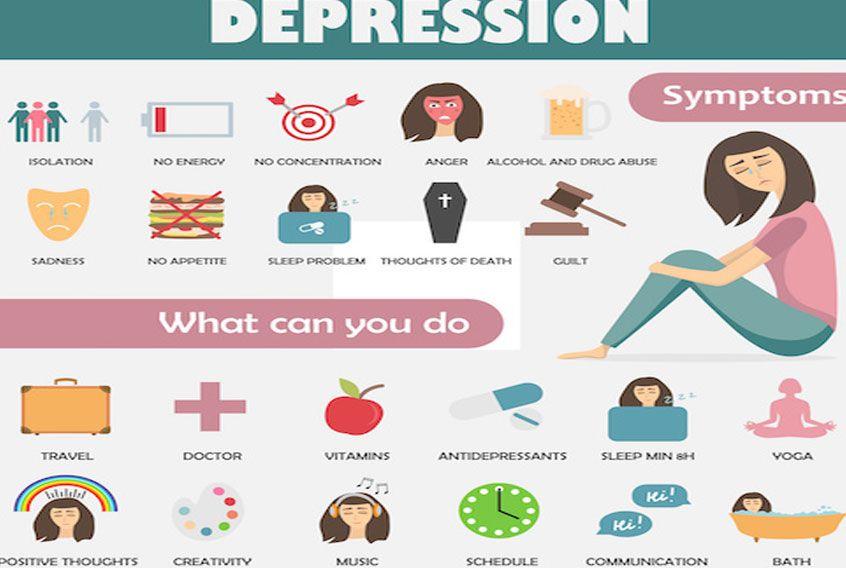
Common symptoms of bipolar disorder include elevated mood, increased energy, irritability, and impulsive behavior during manic episodes, as well as sadness, loss of energy, and feelings of hopelessness during depressive episodes. Oxidative stress might not cause these symptoms directly, but it could worsen them or make treatment more challenging.
Early recognition of mood swings and other symptoms is crucial for managing bipolar disorder effectively. If oxidative stress is a contributing factor, addressing it might help stabilize mood swings and improve overall well-being. However, it’s essential to work closely with a healthcare provider to tailor a treatment plan to individual needs.
How Can Lifestyle Changes Help Manage Oxidative Stress?
Lifestyle changes can play a significant role in managing oxidative stress and supporting overall mental health. Regular physical activity, a balanced diet rich in antioxidants, and stress management techniques can all help reduce oxidative stress levels. Foods high in antioxidants, such as fruits, vegetables, nuts, and whole grains, can support the body’s natural defense systems.
Regular exercise is also beneficial. It increases the production of antioxidants like glutathione and reduces oxidative stress. Additionally, exercise releases endorphins, which can improve mood and reduce symptoms of depression and anxiety. Incorporating activities like yoga, meditation, or deep-breathing exercises can help manage stress and lower oxidative stress levels.
Adequate sleep is another critical factor in managing oxidative stress. Sleep helps the body repair itself and maintain healthy glutathione levels. Establishing a regular sleep routine and ensuring good sleep hygiene can support both physical and mental health.
When Should You Seek Help for Bipolar Disorder?
It’s important to seek help for bipolar disorder when symptoms become unmanageable or interfere with daily life. Signs that you may need professional help include severe mood swings, thoughts of self-harm or suicide, or an inability to care for yourself. If you experience symptoms of mania, such as extreme irritability, reckless behavior, or delusional thinking, it’s also crucial to reach out for support.
In the U.S., anyone can call or text 988, the Suicide & Crisis Lifeline, at any time for immediate support. In an emergency, calling 911 is always the best course of action. These resources can provide immediate help and connect you with ongoing support.
Regular check-ins with a mental health professional can help manage bipolar disorder effectively. They can help monitor symptoms, adjust treatment plans, and offer support and guidance. It’s always okay to ask for help and seek out additional resources when needed.
What Are the Treatment Options for Bipolar Disorder?
Treatment for bipolar disorder usually involves a combination of medication, therapy, and lifestyle changes. Medications like mood stabilizers, antipsychotics, and antidepressants can help manage symptoms. However, finding the right medication and dosage can take time and should be done under a doctor’s supervision.
Therapy is another vital component of treatment. Cognitive-behavioral therapy (CBT), interpersonal therapy, and family-focused therapy can help individuals understand their condition, develop coping strategies, and improve relationships. Therapy can also address any underlying issues, such as trauma or stress, that might contribute to mood swings.
Lifestyle changes, such as maintaining a regular sleep schedule, exercising, and eating a balanced diet, can complement medical treatment. These changes can help stabilize mood, reduce stress, and improve overall well-being. Working closely with a healthcare provider to develop a comprehensive treatment plan tailored to individual needs is essential for managing bipolar disorder effectively.
How Can You Prevent Relapses in Bipolar Disorder?
Preventing relapses in bipolar disorder involves a combination of treatment adherence, lifestyle management, and awareness of triggers. Consistently taking prescribed medications and attending therapy sessions can help maintain stability and prevent mood episodes. Skipping doses or stopping treatment abruptly can increase the risk of relapse.
Identifying and managing triggers is also crucial. Stress, lack of sleep, and changes in routine can trigger mood swings. Keeping a journal to track moods and identify patterns can help recognize early warning signs of a relapse. Once identified, planning strategies to manage these triggers can help prevent future episodes.
Support from family and friends can also play a critical role. Educating loved ones about bipolar disorder can help them provide better support and recognize when you might need extra help. Building a strong support network and maintaining open communication with healthcare providers can make a significant difference in managing the condition and preventing relapses.
Source: Anterior Cingulate Glutathione Levels Linked to Oxidative Stress in Bipolar Disorder (Bioengineer.org)
This article is for general information only and is not medical advice. Always talk with your doctor or a mental health professional about your symptoms and treatment. If you are thinking about suicide or are in crisis, call or text 988 (Suicide & Crisis Lifeline) in the U.S., or call 911 in an emergency.