What Does the Recent News Report Say About Depression Treatment in Rockland?
A recent report from News 12 - Hudson Valley highlights a new clinic in Rockland County offering innovative treatment options for depression. While the report does not provide specific details about the treatments, it mentions that this development could be significant for individuals living with depression in the area. The introduction of new treatments often sparks hope and curiosity among those affected by this mood disorder.
Depression is a common mental health condition affecting millions of people in the United States. Traditional treatments include therapy, medication, and lifestyle changes, but not every individual responds to these approaches. This has led to a search for new methods that can offer relief to those who haven't found success with conventional treatments. The news of new treatment options in Rockland County may be a promising step forward for many.
It's essential to approach any new treatment with a balanced perspective. While innovation can bring hope, it typically requires thorough research and clinical trials to establish its efficacy and safety. Patients should continue to work closely with their healthcare providers to determine the most appropriate treatment plan for their specific needs.
What Are Common Symptoms and Causes of Depression?
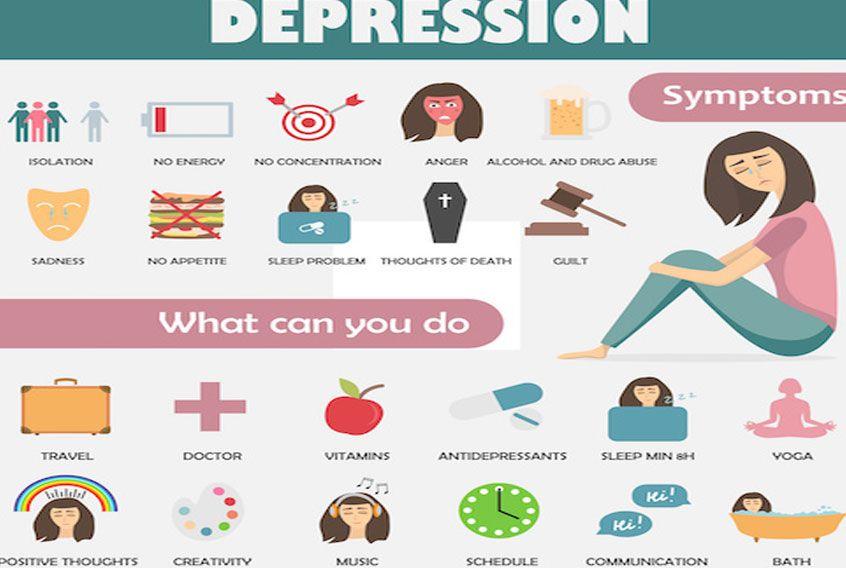
Depression is characterized by persistent feelings of sadness, hopelessness, and a lack of interest in activities once enjoyed. It's more than just a bout of the blues; it's a serious condition that impacts one's daily life. Common symptoms include fatigue, changes in appetite, sleep disturbances, and difficulty concentrating. In severe cases, individuals may experience thoughts of death or suicide.
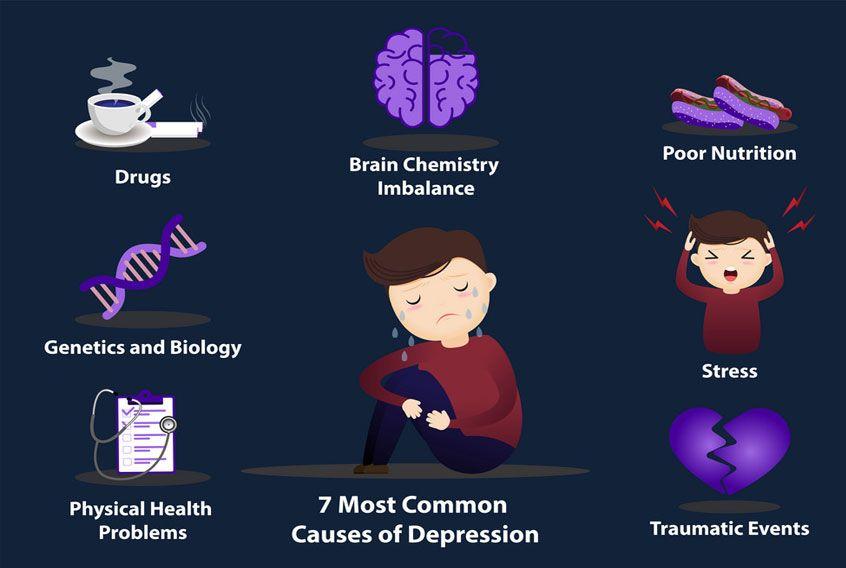
The exact cause of depression is not fully understood, but it's believed to be a combination of genetic, biological, environmental, and psychological factors. Genetics can play a role, as depression often runs in families. Neurotransmitter imbalances in the brain, significant life changes, trauma, and chronic stress are also contributing factors. Understanding these causes can be crucial in managing the condition effectively.
Early identification of symptoms and understanding potential causes can guide individuals in seeking timely help. Addressing depression early can prevent symptoms from worsening and improve the chances of successful treatment. It also allows for the exploration of various treatment options, including those offered at new clinics like the one in Rockland County.
Why Do Some People Experience Recurrent Depression?
Recurrent depression involves multiple episodes of depression over time. Some individuals find that even after successful treatment, symptoms can return. This can be frustrating and disheartening, but it's important to know that recurrent depression is not uncommon and can be managed with the right strategies.
Several factors may contribute to recurrent depression. These include genetic predispositions, ongoing or unresolved life stressors, and co-occurring mental health disorders such as anxiety. Some individuals may also experience changes in their brain chemistry that make them more susceptible to recurring depressive episodes.
Managing recurrent depression often requires a comprehensive approach. This includes regular therapy sessions, consistent medication management, and lifestyle adjustments. Staying connected with a mental health professional is crucial for monitoring symptoms and adjusting treatment plans as needed. New treatment options, like those potentially offered in Rockland County, may provide additional support for those dealing with recurrent depression.
What Are the Established Treatment Options for Depression?
Traditional treatments for depression typically involve a combination of psychotherapy, medication, and lifestyle changes. Cognitive-behavioral therapy (CBT) is a common therapeutic approach that helps individuals change negative thought patterns. Medications, such as antidepressants, work to correct imbalances in brain chemistry and can be effective for many people.
Lifestyle changes can also play a significant role in managing depression. Regular physical activity, a healthy diet, adequate sleep, and stress-reduction techniques like mindfulness or meditation can support overall mental health. These changes, while beneficial, are often most effective when combined with professional treatment.
Each treatment plan should be tailored to the individual's specific needs and symptoms. Working closely with a healthcare provider ensures that all aspects of the condition are addressed. New clinics offering innovative treatments may introduce additional options to consider, which could be particularly helpful for those who haven't found relief through traditional methods.
When Should You Seek Help for Depression?
Recognizing when to seek help for depression is crucial. If you experience persistent sadness, loss of interest in activities, or any symptoms that interfere with your daily life, it's time to reach out for professional support. Early intervention can make a significant difference in managing the condition effectively.
Certain symptoms require urgent care. If you have thoughts of suicide or self-harm, if you are unable to care for yourself, or if you experience symptoms of mania or psychosis, seek immediate help. In the U.S., you can call or text 988, the Suicide & Crisis Lifeline, for support at any time. In an emergency, calling 911 is essential.
It's important to remember that seeking help is a sign of strength. Depression is a medical condition, and treatment can lead to recovery. With the right support, it's possible to manage symptoms and improve quality of life. Emerging treatments, like those in Rockland County, could offer additional options for those seeking help.
How Can Self-Care and Lifestyle Changes Support Depression Treatment?
Incorporating self-care and lifestyle changes can enhance the effectiveness of depression treatment. While these changes alone may not cure depression, they can complement professional treatment and improve overall well-being. Self-care involves taking time for activities that promote relaxation and joy, which can help alleviate some symptoms of depression.
Regular exercise is known to release endorphins, which are natural mood lifters. Even a daily walk can make a difference. Nutrition also plays a role; a balanced diet can support brain health and help stabilize mood. Ensuring adequate sleep and establishing a regular sleep routine can help manage symptoms like fatigue and mood swings.
Mindfulness and meditation practices can reduce stress and improve emotional resilience. These practices encourage living in the moment and can reduce the impact of negative thoughts. While self-care is not a replacement for medical treatment, it can be a valuable part of a comprehensive approach to managing depression.
What Are the Warning Signs of a Depression Relapse?
Being aware of the warning signs of a depression relapse can help in taking timely action. A relapse may occur when symptoms return or worsen after a period of improvement. Recognizing these signs early can prevent a full-blown episode and help maintain stability.
Common warning signs include returning feelings of hopelessness or sadness, loss of interest in activities, changes in sleep or appetite, and difficulty concentrating. Increased irritability, fatigue, or withdrawal from social interactions can also indicate a potential relapse. It's important to monitor these signs and take them seriously.
If you notice any warning signs, reach out to your healthcare provider promptly. They can assess the situation and adjust your treatment plan if necessary. Staying connected with your support network and maintaining regular therapy sessions can provide additional support. New treatments, like those offered in Rockland County, may offer further options for preventing relapses and maintaining recovery.
Source: New Depression Treatment Offered At New Clinic In Rockland County (News 12 - Hudson Valley)
This article is for general information only and is not medical advice. Always talk with your doctor or a mental health professional about your symptoms and treatment. If you are thinking about suicide or are in crisis, call or text 988 (Suicide & Crisis Lifeline) in the U.S., or call 911 in an emergency.