What Is Seasonal Depression?
A recent report from WPTA | 21Alive | Fort Wayne, IN highlights signs, symptoms, and ways to cope with seasonal depression. Seasonal affective disorder (SAD) is a type of depression that typically occurs during certain times of the year. Most commonly, it begins in the fall and continues into the winter months. Some people may experience it in the spring or summer, but this is less common. Seasonal depression can affect anyone, but certain factors increase the risk.
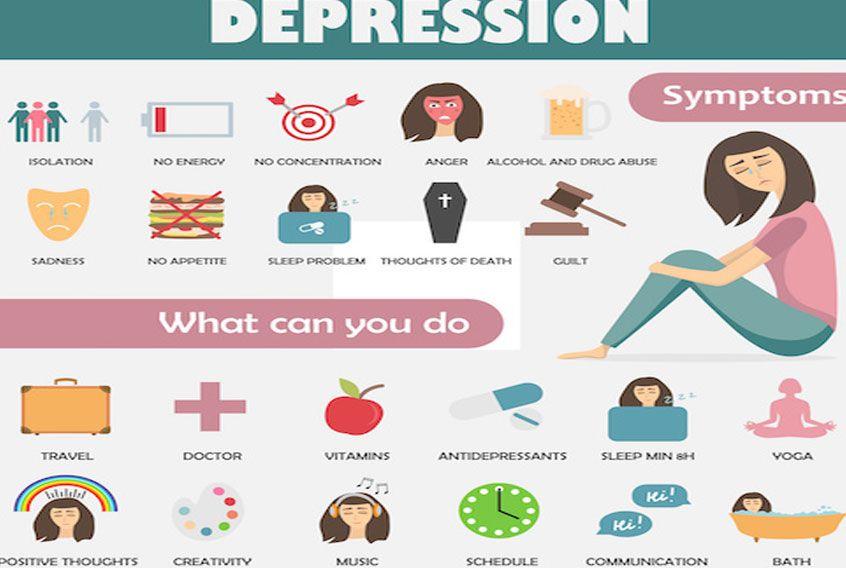
SAD shares many symptoms with major depressive disorder. People with SAD may feel sad, lose interest in activities, and have low energy. They might sleep too much, experience changes in appetite or weight, and struggle with concentration. These symptoms can interfere with daily life, making it difficult to function at work or home. Recognizing these signs is crucial to getting the help and support needed to manage them.
The exact cause of seasonal depression is not fully understood. However, reduced sunlight in fall and winter may play a role. Less sunlight can disrupt your body's internal clock and lead to feelings of depression. It might also affect the levels of serotonin, a brain chemical that influences mood, and melatonin, which affects sleep and mood patterns. Understanding these potential triggers can help in managing symptoms effectively.
What Are the Main Symptoms of Seasonal Depression?
Seasonal depression symptoms often mirror those of general depression but occur in a seasonal pattern. A key symptom is a persistent low mood that lasts most of the day, nearly every day. This might be accompanied by feelings of hopelessness or worthlessness. People with SAD might also experience a loss of interest or pleasure in activities they once enjoyed.
Physical symptoms are also common. These can include changes in sleeping patterns, such as oversleeping or difficulty getting out of bed in the morning. Appetite changes often occur, with many experiencing cravings for foods high in carbohydrates, leading to weight gain. Low energy levels and fatigue are frequent complaints, making it challenging to keep up with daily tasks.
Cognitive symptoms, such as difficulty concentrating or making decisions, can also be present. Some people might experience increased irritability or anxiety. In more severe cases, thoughts of death or suicide might occur. It's important to take these symptoms seriously and seek help if they arise, as treatment can significantly improve quality of life.
Who Is at Risk for Seasonal Depression?
Certain factors can increase the risk of developing seasonal depression. SAD is more common in women than in men. It also tends to be more prevalent in younger adults. Having a family history of SAD or other forms of depression can also raise the likelihood of experiencing it yourself. This suggests a genetic component may be involved.
Geography plays a significant role as well. People living farther from the equator, where daylight hours are shorter in the winter, are more likely to experience SAD. This supports the idea that reduced sunlight exposure is a key factor. If you have another mood disorder, such as bipolar disorder, the risk of seasonal depression is higher. Episodes of mania or hypomania in spring or summer can indicate a seasonal pattern.
It's also important to consider lifestyle factors. People who work night shifts or have irregular schedules might be at higher risk due to disrupted circadian rhythms. Understanding these risk factors can help with early identification and proactive management of symptoms.
How Is Seasonal Depression Treated?
There are several effective treatments for seasonal depression. Light therapy is often one of the first lines of treatment. It involves sitting in front of a special light box that mimics natural sunlight. This can help regulate your body's sleep-wake cycle and improve mood. It's generally most effective when used daily during the months you experience symptoms.
Medications can also be helpful. Antidepressants, particularly selective serotonin reuptake inhibitors (SSRIs), are commonly prescribed. They can help balance brain chemicals that affect mood. It's important to work closely with a doctor to find the right medication and dosage, as each person responds differently to treatment.
Psychotherapy, such as cognitive-behavioral therapy (CBT), can provide valuable support. CBT helps you identify and change negative thought patterns that contribute to depression. It can also teach coping strategies to manage symptoms. Combining therapy with medication or light therapy often yields the best results. Discussing these options with a healthcare provider is a key step in managing seasonal depression effectively.
How Can Lifestyle Changes Help Manage Symptoms?
Lifestyle changes can play a significant role in managing seasonal depression. Regular exercise is highly beneficial. It boosts endorphins, which are natural mood elevators, and can help improve sleep patterns. Even a daily walk outside can make a difference, especially if done during daylight hours to increase sunlight exposure.
Maintaining a regular sleep schedule is crucial. Try to go to bed and wake up at the same time each day to help regulate your body's internal clock. Opening curtains and blinds to let in natural light during the day or using a dawn simulator can also help. These small changes can make your environment more conducive to a positive mood.
Diet is another important aspect. Eating a balanced diet rich in whole grains, fruits, vegetables, and lean proteins can support overall health and well-being. Limiting caffeine and alcohol, which can affect mood and sleep, is also advisable. Practicing stress-reduction techniques, such as yoga or meditation, can further support emotional health. Incorporating these lifestyle changes can significantly aid in managing seasonal depression symptoms.
When Should You Seek Professional Help?
It's important to know when to seek professional help for seasonal depression. If you notice symptoms persisting and interfering with daily activities, it's time to reach out. This includes experiencing severe mood changes, difficulty functioning at work or home, or feeling isolated. Early intervention can prevent symptoms from worsening and improve outcomes.
Urgent help is needed if you have thoughts of self-harm or suicide. These are serious signs that require immediate attention. In the U.S., you can call or text 988 for the Suicide & Crisis Lifeline at any time. In an emergency, calling 911 is crucial. It's also important to seek help if you experience symptoms of mania or psychosis, such as hallucinations or delusions, as these require specialized care.
Remember, seeking help is a sign of strength, not weakness. A doctor, psychiatrist, or licensed therapist can provide the necessary support and guidance. They can help determine the best treatment plan tailored to your needs. With the right help, managing seasonal depression and living a fulfilling life is possible.
How Can You Prevent Relapse?
Preventing relapse of seasonal depression involves being proactive and engaged in your mental health care. One key step is developing a maintenance plan with your healthcare provider. This might include continuing light therapy, medication, or therapy sessions even when symptoms improve. Regular follow-up appointments can help monitor progress and make adjustments as needed.
Being mindful of early warning signs is also essential. If you start noticing changes in mood, sleep, or energy levels, reach out to your healthcare provider promptly. Keeping a journal of mood patterns and triggers can be a useful tool for identifying potential relapses early. This allows for timely intervention before symptoms become severe.
Building a strong support network is another preventive measure. Stay connected with friends, family, or support groups who understand your experiences. They can provide encouragement and accountability. Engaging in regular social activities can also help maintain a positive outlook. By taking these steps, you can reduce the risk of relapse and maintain better control over seasonal depression.
Source: Seasonal depression: Local expert shares signs, symptoms and ways to cope (WPTA | 21Alive | Fort Wayne, IN)
This article is for general information only and is not medical advice. Always talk with your doctor or a mental health professional about your symptoms and treatment. If you are thinking about suicide or are in crisis, call or text 988 (Suicide & Crisis Lifeline) in the U.S., or call 911 in an emergency.