Can Low-Dose Antidepressants Help with Chronic Insomnia?
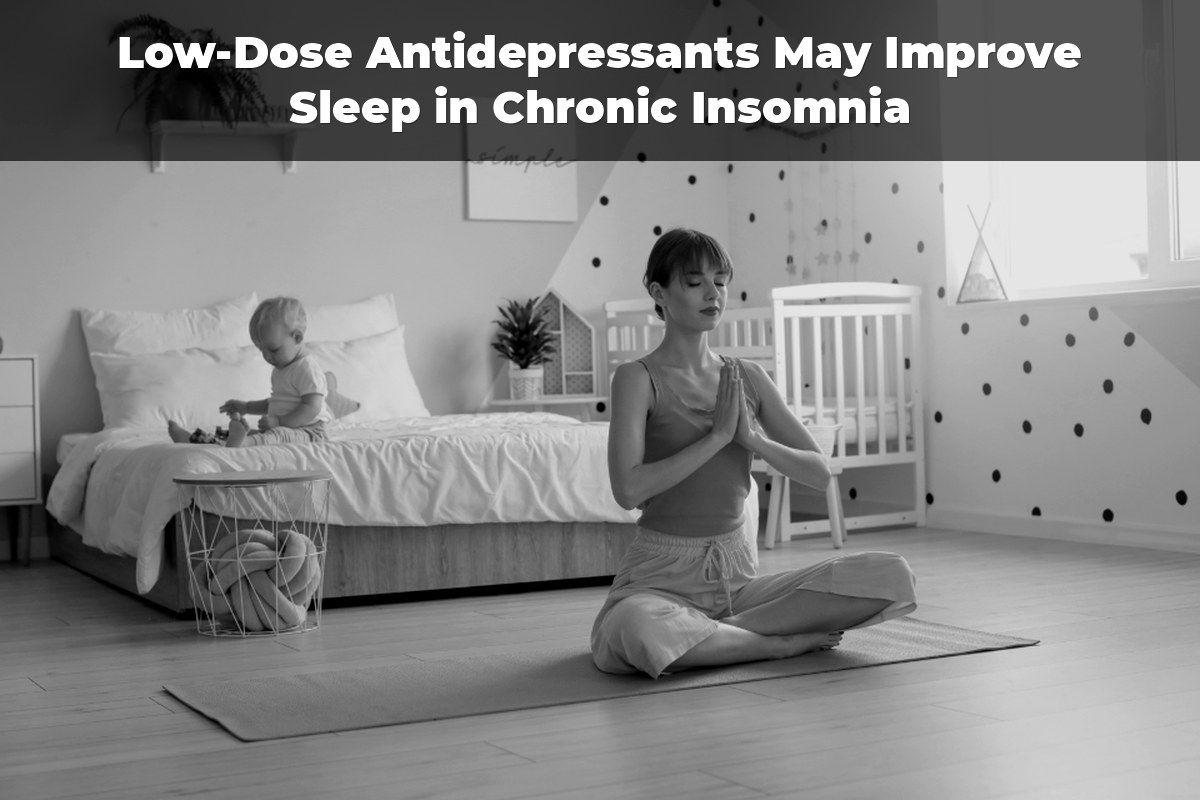
A recent report from News-Medical highlights that a fraction of an antidepressant dose may help people with chronic insomnia sleep better. This idea is intriguing and worth exploring. While traditional antidepressants are known to help with mood disorders, their potential benefits for sleep issues are not as widely recognized. Chronic insomnia, affecting millions, involves difficulty falling asleep, staying asleep, or waking up too early. It can also exacerbate conditions like depression and anxiety. Early research suggests that low-dose antidepressants might offer a new avenue for relief in those struggling with sleepless nights.
Antidepressants, even in small doses, interact with brain chemicals that impact our mood and sleep. Some antidepressants have sedative effects, which might improve sleep quality. However, more research is needed to fully understand their effectiveness and safety for insomnia. If future studies support these findings, it could mean a new, potentially safer treatment option for people with chronic insomnia, especially those who cannot tolerate higher doses of sleep medications.
People experiencing both depression and insomnia might find this information particularly useful. It's important to recognize that any medication change, including adjusting doses, should be discussed with a healthcare provider. They can help assess whether a low-dose antidepressant could be appropriate for your situation. Collaboration with a medical professional ensures that you benefit from the treatment while minimizing any potential risks.
Why Is Sleep Important for Mental Health?
Sleep is a fundamental part of our overall well-being. It's as crucial as eating well and exercising. For those living with depression or mood disorders, sleep can be even more vital. Poor sleep can worsen symptoms of depression, making it harder to cope with daily life. It affects mood, energy levels, and even the ability to concentrate or make decisions. Chronic insomnia can create a vicious cycle, where lack of sleep worsens depression, and depression, in turn, makes sleep elusive.
Healthy sleep patterns support emotional resilience. They allow the brain to repair, process emotions, and manage stress. Without enough good-quality sleep, the brain struggles to function optimally. This can lead to increased irritability, anxiety, and a higher likelihood of depressive episodes. Insomnia can also impact relationships, work performance, and overall quality of life, making it a significant issue for many.
The link between sleep and mental health is well-established. Improving sleep can have a positive impact on mood and mental health. Whether through therapy, lifestyle changes, or medication, addressing sleep issues is a critical component of managing depression and mood disorders. Understanding the importance of sleep encourages people to prioritize it as part of their treatment plan.
How Do Antidepressants Affect Sleep?
Antidepressants work by altering brain chemicals called neurotransmitters, which play a role in mood regulation. Some antidepressants also affect sleep patterns. For instance, medications like trazodone or mirtazapine are known for their sedative properties. They can help induce sleep and improve sleep quality, making them useful for people with insomnia related to depression.
However, not all antidepressants have the same effect on sleep. Some, like selective serotonin reuptake inhibitors (SSRIs), may initially cause sleep disturbances. This varies from person to person. It's why finding the right medication, potentially at a low dose, is crucial. Each individual's brain chemistry is different, so what works for one person may not work for another.
For chronic insomnia, the goal is to find a treatment that effectively improves sleep without causing significant side effects. Low-dose antidepressants might offer a balance between efficacy and tolerability. They could provide the sleep benefits some people need while minimizing the risk of side effects associated with higher doses.
What Are the Risks and Benefits of Low-Dose Antidepressants?
Like any medication, low-dose antidepressants come with both potential benefits and risks. One significant benefit is improved sleep quality. For those struggling with insomnia, even a small improvement can make a big difference in mood, energy, and daily functioning. Low doses may also reduce the risk of side effects commonly seen with higher doses, such as weight gain or sexual dysfunction.
However, there are risks to consider. Even at low doses, antidepressants can cause side effects. These might include dizziness, dry mouth, or daytime drowsiness. There's also the possibility of developing a dependency on the medication for sleep. It's essential to monitor these effects and discuss any concerns with a healthcare provider.
Long-term use of any medication requires careful consideration. Your doctor can help weigh the pros and cons, considering your specific symptoms and health history. They might also suggest alternative treatments or lifestyle changes that could support better sleep. A holistic approach often yields the best results, combining medication with behavioral therapy and healthy sleep habits.
How Can Lifestyle Changes Support Better Sleep?
Lifestyle changes can play a significant role in improving sleep, especially when combined with medical treatment. Establishing a regular sleep schedule is crucial. Going to bed and waking up at the same time every day helps regulate your body's internal clock. Creating a relaxing bedtime routine can signal to your body that it's time to wind down.
Limiting exposure to screens before bedtime is another effective strategy. The blue light from phones, tablets, and computers can interfere with the production of melatonin, a hormone that regulates sleep. Instead, consider activities like reading a book, taking a warm bath, or practicing relaxation techniques. These can help prepare your mind and body for rest.
Other lifestyle factors, such as diet and exercise, also impact sleep. Regular physical activity can promote better sleep, but it's best to avoid vigorous exercise close to bedtime. Similarly, being mindful of caffeine and alcohol intake can help, as both can disrupt sleep patterns. Small changes in daily habits can add up, significantly improving sleep over time.
When Should You Seek Help for Sleep Problems?
It's important to seek help if sleep problems persist and start affecting your daily life. Signs that you might need professional assistance include difficulty falling or staying asleep most nights, feeling tired despite a full night's sleep, or experiencing mood changes like increased irritability or depression. If sleep issues are impacting your ability to function at work or in social situations, it's time to talk to a healthcare provider.
Urgent help is necessary if you experience severe symptoms like thoughts of self-harm or suicide. These require immediate attention. In the U.S., you can call or text 988 to reach the Suicide & Crisis Lifeline, available 24/7. In emergencies, calling 911 is crucial.
A healthcare provider can help identify the underlying causes of your sleep problems and recommend appropriate treatments. They might suggest a sleep study, therapy, medication, or a combination of approaches. Early intervention can prevent sleep issues from escalating and help restore your quality of life.
What Are the Next Steps If You Have Chronic Insomnia?
If you suspect you have chronic insomnia, the first step is to talk to your doctor. They can provide a comprehensive evaluation and help determine the best course of action. This might involve a referral to a specialist, such as a sleep therapist or psychiatrist, who can offer more targeted treatment options.
In addition to medical advice, consider keeping a sleep diary to track your sleep patterns and habits. This can provide valuable insights into potential triggers or patterns that impact your sleep. Sharing this information with your healthcare provider can aid in developing a personalized treatment plan.
Remember, managing insomnia often requires a multifaceted approach. Combining lifestyle changes, therapy, and possibly medication can yield the best results. Stay open to trying different strategies and be patient with the process. Improvement may take time, but with persistence, better sleep is achievable.
Source: A fraction of an antidepressant dose may help people with chronic insomnia sleep better (News-Medical)
This article is for general information only and is not medical advice. Always talk with your doctor or a mental health professional about your symptoms and treatment. If you are thinking about suicide or are in crisis, call or text 988 (Suicide & Crisis Lifeline) in the U.S., or call 911 in an emergency.